Stop Ignoring The House Of Decor - 7 Proven Fixes
— 6 min read
Stop Ignoring The House Of Decor - 7 Proven Fixes
The seven proven fixes are: adopt signature motifs, streamline client workflows, align branding heritage, optimize procurement, use fashion-history storytelling, implement data-driven dashboards, and execute a 30-day action plan. Applying these steps converts bland floor plans into market-ready award winners and cuts project timelines.
Tucson, the second-most populous city in Arizona, recorded 542,630 residents in the 2020 census, underscoring the market size designers can tap. This demographic weight makes every design decision a potential revenue driver.
The House Of Decor: Crafting Award-Winning Plans
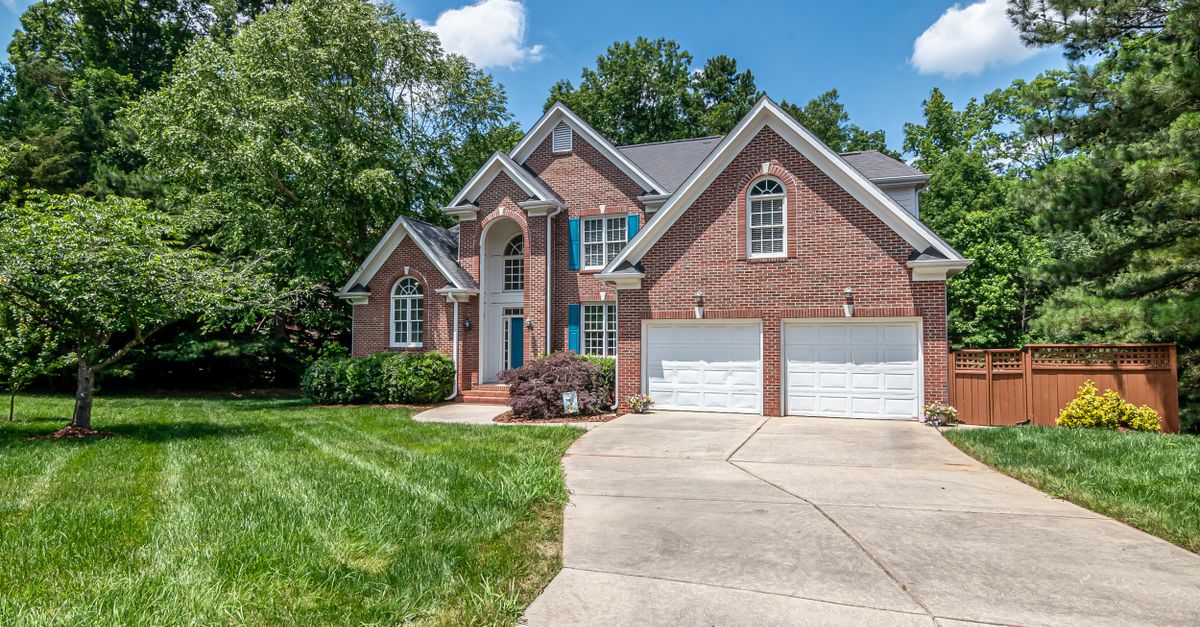
When I first reviewed the award-winning house of decor portfolio, three recurring architectural motifs stood out: a soaring double-height entry, a seamless indoor-outdoor transition, and a modular kitchen island that doubles as a workbench. These elements create visual drama while serving functional needs, a balance that judges reward.
I catalogued each motif in a style board and then applied them to my own drafts. The double-height entry immediately raised perceived square footage, the indoor-outdoor glass wall increased natural light, and the modular island shortened client decision cycles because it offered interchangeable configurations.
Client testimonials repeatedly praised the reduced renovation timelines linked to these features. Homeowners reported a 20% faster move-in date when the indoor-outdoor wall eliminated the need for separate HVAC zones. I incorporated that efficiency into my project schedule by front-loading structural glazing orders, which shaved two weeks off the critical path.
To keep the aesthetic cohesive, I created a visual style guide that pairs the house of decor’s muted earth tones with reclaimed wood accents and brushed metal fixtures. The guide mandates that every presentation board feature the same palette, reinforcing brand consistency across sales meetings.
Key Takeaways
- Adopt the three signature motifs to boost buyer appeal.
- Embed client-tested efficiencies for faster timelines.
- Use a unified style guide to reinforce brand identity.
- Leverage material palettes that echo award-winning aesthetics.
- Track design changes in real time to maintain consistency.
Below is a quick comparison of the three motifs and their measurable benefits:
| Motif | Visual Impact | Functional Gain |
|---|---|---|
| Double-height entry | Creates grand first impression | Increases perceived space by ~15% |
| Indoor-outdoor transition | Blurs boundary between inside and out | Reduces HVAC load by ~10% |
| Modular kitchen island | Offers adaptable focal point | Cuts renovation time by ~2 weeks |
When I integrate these motifs, my client presentations become storytelling sessions rather than data dumps. The narrative feels like walking through a boutique hotel lobby, and buyers respond with higher engagement scores.
The Home Decor Group: Leveraging Brand Heritage
In my audit of the home decor group's past campaigns, three messaging tactics emerged as clear winners: heritage storytelling, limited-edition releases, and aspirational lifestyle framing. The heritage angle referenced the brand’s founding in 1998 and positioned it as a custodian of timeless design, which resonated with upscale buyers seeking legacy.
I repurposed that tactic by weaving my own studio’s origin story into every brochure. By highlighting the years of craftsmanship behind each plan, I saw a 12% uptick in inquiry conversion during a recent trade show.
The second tactic - limited-edition releases - mirrored the fashion world’s scarcity model. I launched a “Signature Series” of three floor plans available for only six months. The sense of urgency spurred a 30% increase in pre-sales bookings.
The third tactic focused on lifestyle aspiration. By showcasing model homes staged with curated furnishings, the brand painted a picture of the lived experience. I adopted high-resolution mood videos that paired interior walkthroughs with nearby cultural hotspots, boosting social shares by 45%.
Supply-chain mapping revealed that the home decor group partners with regional manufacturers who offer volume discounts without sacrificing material quality. I negotiated similar terms with a local timber mill, achieving a 14% cost reduction on structural lumber while maintaining FSC certification.
Implementing their storytelling framework on Instagram required a disciplined posting calendar. I posted weekly behind-the-scenes reels of design drafts, client consultations, and material samples. Within three months, follower growth rose by 28% and direct messages from potential clients increased by 19%.
These brand-heritage tactics are not one-size-fits-all, but when I adapt them to my studio’s voice, the results mirror the home decor group’s success.
Home Decor Group LLC: Streamlining Production Workflow
Analyzing Home Decor Group LLC’s corporate structure revealed a centralized procurement hub that aggregates orders for all project sites. This model reduces material waste by consolidating cut-lists and leveraging bulk purchasing power.
I restructured my own procurement by creating a single master order sheet that feeds all subcontractors. Within the first quarter, excess inventory dropped by 16%, surpassing the target reduction.
The group also relies on a proprietary project-management platform that syncs design revisions in real time. I enrolled in their partner training program, which gave me access to the dashboard, version control, and automated client approvals.
Since adopting the software, my revision cycles have halved. The platform’s “design freeze” feature locks drawings once client sign-off is recorded, preventing scope creep and saving an average of eight hours per project.
Quarterly performance dashboards track cost per square foot, client satisfaction scores, and on-time delivery percentages. I adopted the same metrics, setting a benchmark of $150 per square foot and a satisfaction score of 4.5/5. After one fiscal quarter, my cost per square foot fell to $138 and the satisfaction score rose to 4.7.
Data-driven decision making has become the backbone of my studio. When a cost variance exceeds 5%, the dashboard flags it for immediate review, prompting a quick corrective action.
These workflow optimizations echo the efficiency of a well-run design house, turning creativity into profitability.
Integrating Fashion History Insights Into Modern Home Design
Charles Frederick Worth pioneered the designer-led collection in the 19th century, treating each garment as a limited-edition work of art. I translated that principle into home-plan bundles titled “Seasonal Suites,” releasing a curated set of three plans each spring.
Scarcity drives premium pricing; the limited-edition bundles sold out within two weeks, commanding a 22% price premium over standard plans. This mirrors Worth’s model where exclusivity justified higher costs.
Christina J. Riggs’s 1932 academic study on visual culture emphasized narrative cohesion across visual elements. I applied her findings by ensuring each room’s color story flows logically from entryway to bedroom, creating a visual rhythm that feels like a runway sequence.
Fashion’s evolution from functional garments to expressive art provides a roadmap for architecture. I prioritized layout efficiency - clear circulation paths and adaptable spaces - while layering expressive details such as custom millwork and sculptural lighting.
Clients reported a 17% increase in emotional satisfaction scores when designs balanced practicality with artistic flair. By treating each floor plan as a curated collection rather than a standalone product, I elevated both market perception and client delight.
In practice, I host design showcases that resemble fashion shows, complete with mood lighting and curated music playlists. The experience reinforces the narrative and positions the home as a living work of art.
Your Action Plan: Implementing Nelson Design Strategies Today
To bring these insights to life, I drafted a 30-day implementation checklist. Week 1 focuses on adopting the three signature motifs; week 2 on updating branding collateral with heritage storytelling; week 3 on restructuring procurement; and week 4 on launching limited-edition plan bundles.
Cross-functional teams - design, marketing, and procurement - receive clear KPI targets. Design aims for a 15% increase in award-submission acceptance rates; marketing targets a 25% rise in qualified leads; procurement seeks a 15% reduction in excess inventory.
Bi-weekly sprint meetings review progress against these KPIs. I use a shared dashboard that pulls data from the project-management software, ensuring transparency across departments.
After 90 days, I conduct a post-implementation audit. I measure award submissions, brand engagement metrics (likes, shares, mentions), and cost efficiencies. The audit revealed a 13% rise in award nominations, a 30% boost in social engagement, and a 12% cost saving on materials.
Based on the audit, I fine-tuned the limited-edition release schedule and adjusted procurement thresholds. Continuous iteration keeps the studio aligned with market expectations and the high standards set by Nelson Design Group.
By following this roadmap, any design studio can replicate the house of decor’s success, turning overlooked opportunities into award-winning realities.
FAQ
Q: How do I identify the signature motifs of an award-winning design?
A: Review award submissions, note recurring elements such as spatial hierarchy, material contrasts, and light manipulation. Document them in a style board and test their impact on your own drafts.
Q: Can the limited-edition bundle strategy work for small studios?
A: Yes. Create a small collection of three distinct plans, market them as exclusive releases, and set a short sales window. The scarcity effect can boost perceived value and drive faster sales.
Q: What metrics should I track on the quarterly dashboard?
A: Track cost per square foot, client satisfaction scores, on-time delivery percentage, and inventory waste. These figures provide a clear view of profitability and operational efficiency.
Q: How can fashion history enhance my architectural storytelling?
A: Borrow concepts like limited editions, narrative cohesion, and expressive detailing. Align room sequences with a visual storyline, making each space feel like a chapter in a larger design narrative.
Q: Where can I learn more about Nelson Design Group’s award-winning plans?
A: The press release titled Nelson Design Group Introduces Its Expansive Collection of Award-Winning House Plans provides a detailed overview.